Cannabis, without the confusion.
Everything below is factual product information, written to be understood at any level of experience. It is not medical advice, and nothing here claims cannabis treats, prevents or cures any condition. For anything health-related, speak with a qualified healthcare professional.
Where to start
If the shelf is unfamiliar, the single most useful decision is format — what the product physically is and how it is used. Everything else, including strength and flavour, gets easier once the format is settled.
Formats differ mainly in how they are taken and how quickly that is noticed:
- Inhaled — flower, pre-rolls, vapes and concentrates. Typically noticed within minutes, which makes it easier to judge as you go.
- Swallowed — edibles, drinks and tinctures. These pass through the digestive system first, so onset is slower and generally lasts longer.
- Applied to skin — balms and topicals, used on a specific area.
Start at the lowest serving printed on the product and give it time before taking more. Swallowed formats in particular take longer than people expect.
Product formats
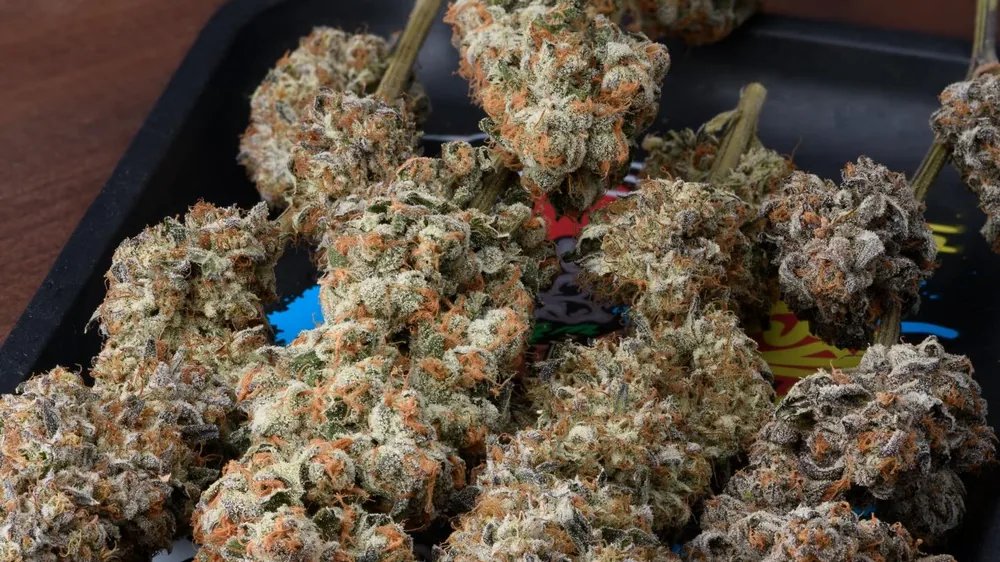
Flower
Dried, cured cannabis flower sold by weight — typically 3.5 g, 7 g, 14 g or 28 g. The least processed format on the shelf, and the one where cultivar, cure and aroma vary most. Cannabinoid content is usually printed as a percentage of dry weight.
Pre-rolls
Flower already ground and rolled, sold singly or in packs. An infused pre-roll has concentrate added, which raises the reported percentage well above ordinary flower — worth checking before assuming two pre-rolls are comparable.
Vapes
Cartridges, pods and all-in-one devices holding a cannabis extract that is heated rather than burned. Because the contents are concentrated, reported percentages are high — commonly 70–95% — and a small amount goes a long way.
Edibles & drinks
Gummies, chews, chocolate, baked goods and beverages, dosed in milligrams per piece or serving rather than as a percentage. That makes them the easiest format to measure precisely. Read the per-piece figure, not the total for the pack.
Concentrates
Rosin, badder, sauce, hash and similar. The most potent end of the shelf, and the format that assumes the most familiarity — usually requiring specific equipment.
Tinctures
Drops, capsules and sublingual formats, dosed in milligrams per millilitre or per serving. Measured, discreet and smoke-free.
Topicals
Balms, salves and lotions applied to a specific area of skin.
Accessories
Grinders, papers, trays, batteries and storage. These contain no cannabis and carry no cannabinoid figures.
THC & CBD
THC (tetrahydrocannabinol) is the primary intoxicating compound in cannabis — the reason the product is age-restricted. A percentage on flower or a vape is almost always the THC figure.
CBD (cannabidiol) is non-intoxicating. A CBD figure on a label is a measurement of how much of that compound the batch contained. It is not, on its own, a statement about what the product will do — and you should be sceptical of any retailer that says otherwise.
Percentages versus milligrams
These are two different things and they are not interchangeable:
- A percentage describes concentration by weight, and appears on inhaled formats.
- Milligrams describe an absolute amount per piece or serving, and appear on edibles, drinks and tinctures.
A 25% flower and a 10 mg gummy are not comparable figures, and no arithmetic usefully converts one into the other while you are shopping.
EverLeaf prints the figures the producer reported for that product and nothing else. Where a figure is missing, or is inconsistent with the format it appears on, we leave it blank rather than estimate. Cannabinoid content varies between batches.
Cannabinoids
THC and CBD are the two figures most often printed, but they are not the only compounds a laboratory can report. Where a producer supplies them, you will see them on the product record:
- THCA — the acidic form found in raw plant material, which converts to THC when heated.
- CBDA — the acidic form of CBD, on the same principle.
- CBG and CBGA — minor cannabinoids, usually present in small amounts.
- CBN — a minor cannabinoid that appears as cannabis ages, and which some producers add deliberately to evening-positioned products.
Minor cannabinoids are an active area of research, and the honest position is that the evidence base is still developing. We report the numbers; we do not attach outcomes to them.
Terpenes & flavour
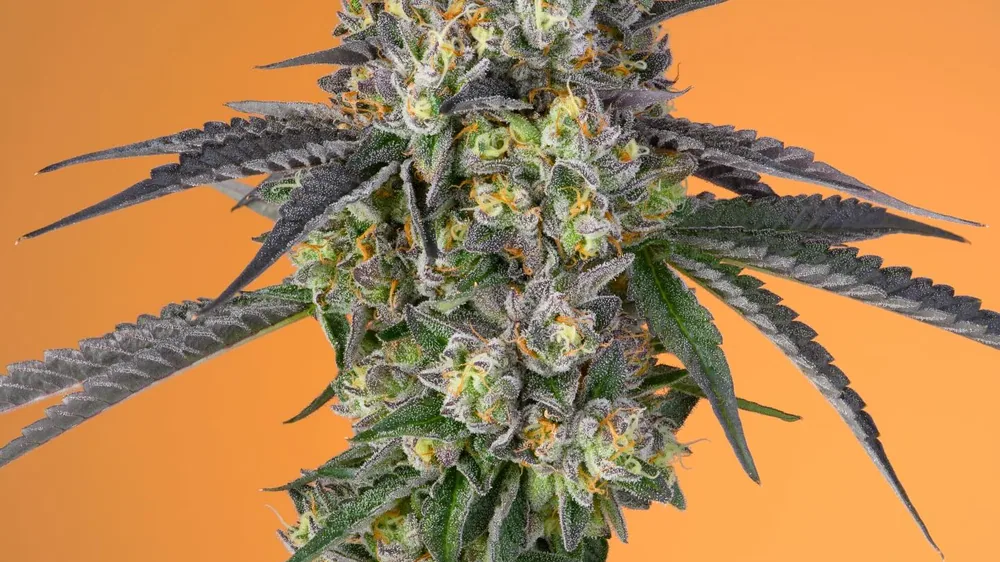
Terpenes are the aromatic compounds that give a cultivar its smell and taste. They are not unique to cannabis — the same compounds appear in citrus peel, pine, pepper and lavender. Common names on a panel include limonene, myrcene, pinene, linalool, caryophyllene and humulene.
EverLeaf groups products into five reported flavour families — citrus, earthy, floral, sweet and herbal — drawn from the producer's own description. These describe aroma and taste. They are a browsing convenience, and not a claim about effect.
Indica, sativa, hybrid
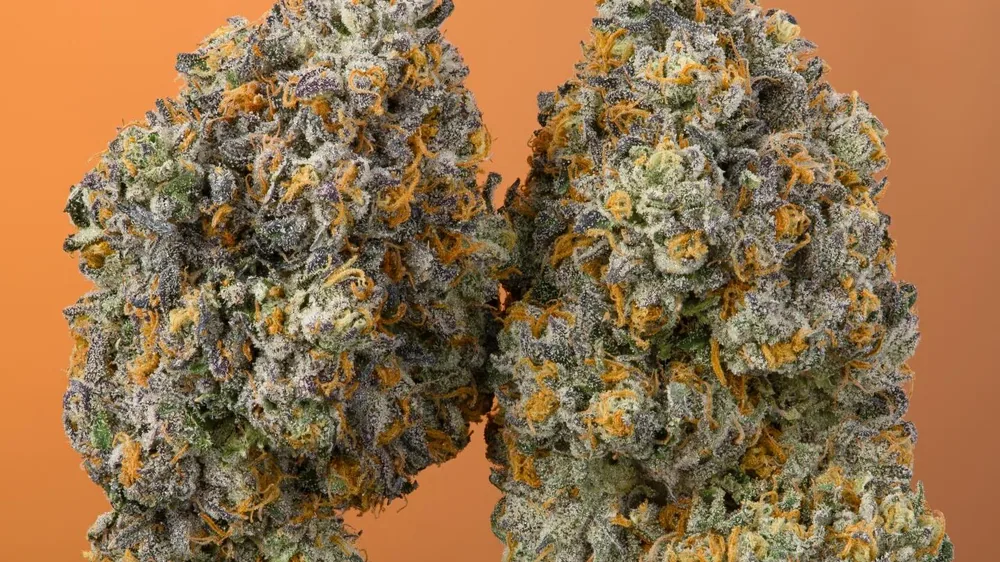
These are traditional plant-classification labels describing lineage and growth habit. They are the oldest shorthand in cannabis retail and the least precise.
Most modern cultivars are hybrids, and the categories are not a reliable predictor of how any individual will respond. They remain useful for navigating a large shelf, which is why we print what the producer stated — but the batch figures and the reported aroma tell you more than the category does.
How to read a label
In roughly this order:
- Format and net weight or volume — what it is, and how much of it there is.
- Serving size — on anything swallowed, the per-piece figure is the number that matters.
- Cannabinoid content — a percentage on inhaled formats, milligrams on ingestible ones.
- Batch identifier and packaging date — the same product name can differ between batches.
- Warnings and directions — including keeping product out of reach of children and animals.
If a figure is not on the label, it should not be on the website either. That is the standard we hold ourselves to.
How to choose
A short method that works on any shelf, ours included:
- Pick the format first. How you want to take it narrows the shelf faster than anything else.
- Then set your experience level. Newer usually means a lower reported figure and a countable serving.
- Then flavour, if you care about it. It is the narrowest attribute on the shelf, so apply it last — and drop it first if nothing matches.
- Then price. Compare like with like: per gram within flower, per piece within edibles.
That is exactly the order the EverLeaf Compass asks in, and why it asks in that order.
Dosing & responsible use
We are a retailer, not a clinician, so this section is deliberately narrow: it covers what is printed on a pack and how to treat it sensibly. It is not medical advice and it is not personalised guidance.
- Follow the directions on the product. Start at the lowest serving it lists.
- Allow time before taking more, particularly with anything swallowed.
- Do not drive or operate machinery after use.
- Cannabis can interact with alcohol, prescription medicines and other substances. If you take medication, or are pregnant or breastfeeding, speak with a qualified healthcare professional before use.
- Keep every product in its original child-resistant packaging, out of reach of children and animals.
- Buy only from licensed retailers. Unlicensed product carries no testing you can rely on.
Stay somewhere calm, stay hydrated, and let it pass — most effects are time-limited. Seek medical attention if you are concerned, and always if a child or animal may have consumed a product.
Storage & safety
- Keep product in its original packaging — it carries the batch details and the warnings.
- Cool, dark and dry. Heat and light degrade cannabis, and flower dries out quickly once opened.
- Store well out of reach of children and animals, ideally locked.
- Edibles are the format most easily mistaken for ordinary food. Never decant them into unlabelled containers.
Common questions
Does a higher percentage mean a better product?
No. It means a higher reported concentration of that compound, nothing more. Cure, aroma, freshness and how a product is made all matter, and the strongest thing on a shelf is rarely the right first purchase.
Why does the same product show different figures elsewhere?
Cannabinoid content is measured per batch, and batches differ. A figure describes the batch it was measured from.
Why do some products here show no THC figure?
Because the record we received did not carry one we could stand behind. We would rather print nothing than print a number that might be wrong.
Are your experience tags telling me how I will feel?
No. They group products by the occasion the producer describes in its own copy, so a large shelf can be browsed by mood. They are a navigation aid, not a promise.
Do you offer medical advice?
No. Our team can explain what a product is, what its record says and how a format is used. Anything health-related belongs with a qualified healthcare professional.
Who can buy from EverLeaf?
Adults who meet the legal age requirement in their jurisdiction. See age requirements.